This post is a little later than I had hoped, but in all fairness, this is technically my second bread bake of the week. My husband and I were so happy with last weeks English Muffins, and were eager to share them with family and friends, that we baked another batch together on Sunday.
As the week went on and the temperature rose, along with the humiditiy, the thought of experimenting with a new recipe or more complicated bake seemed highly undesireable for this weeks bake. But I wanted to stick to the plan of one post per week and I couldn’t very well write about the same recipe twice in a row. I started thinking about what recipes I’ve done that aren’t too time and labor intensive and decided on Bonnie Ohara’s (of Alchemy Bread Co.) Panned Loaf.
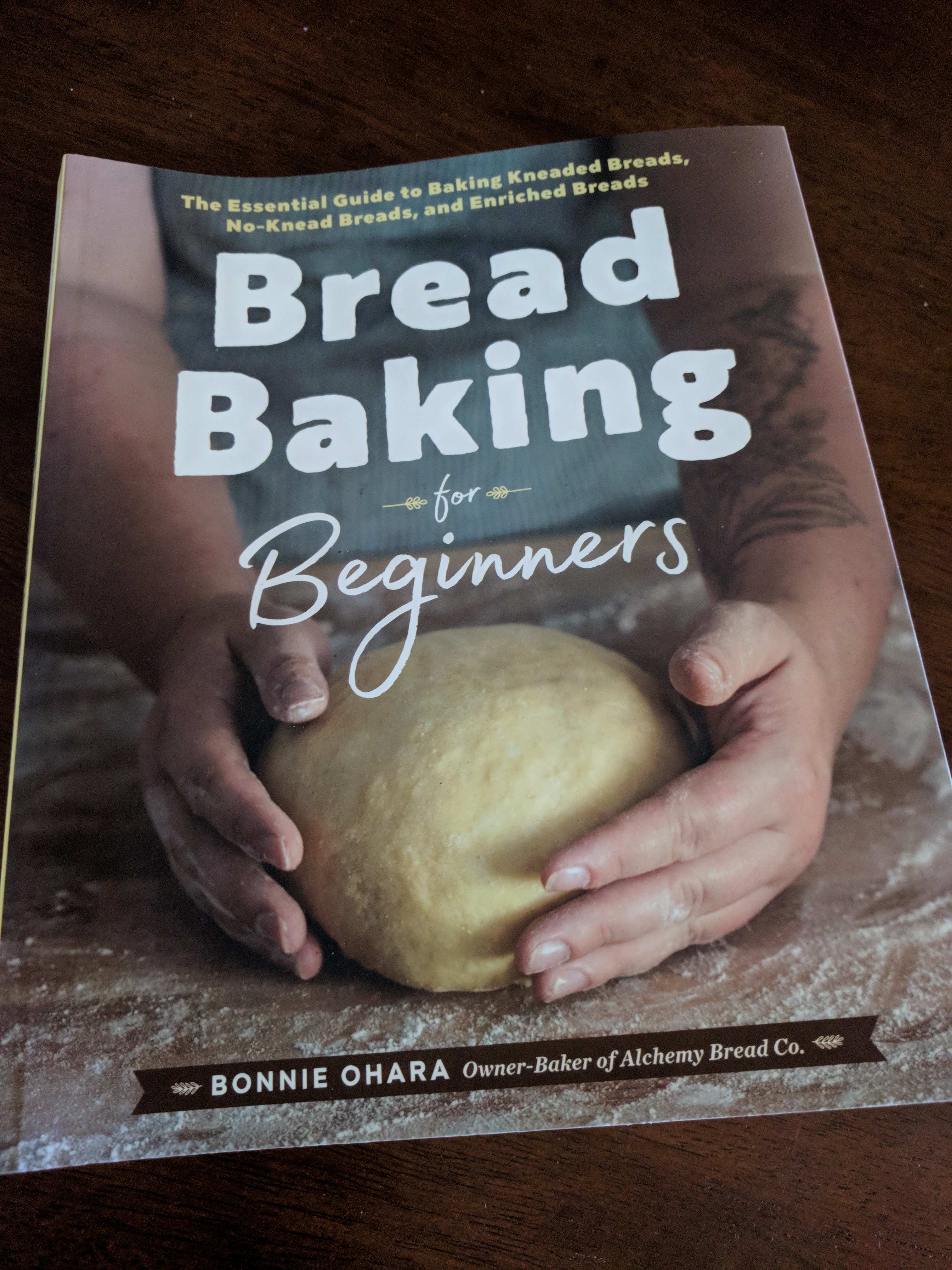
I had a recent visit from my dear friend Kathleen this past month and she is also a novice bread maker, so of course we started talking about our favorite recipes and bakes. That’s when Kathleen told me about Bonnie’s book, Bread Baking for Beginners, and her Panned Loaf recipe. And Kathleen being the wonderful friend that she is mailed a copy of the book to me so we could dive into some of the same recipes from opposite ends of California and swap baking tips.
I have been pretty much baking bread exclusively using a dutch over (more on that in a future post, no doubt), but had been longing to dust off my loaf pan to make some nice sandwich bread. Bonnie’s Panned Loaf seemed like the perfect bread for this heatwave. It makes a single loaf and requires no dutch oven, so that means a shorter time with the oven on. Plus this bread bakes for a slightly lower temperature for a shorter time making it even more appealing.
I had made the bread once before and had some issues with timing on the final proof, which led to a deflated top when the dough spilled over the top of the pan, so I was happy to work on getting better at this bake. I was certain I would need to watch the dough a little closer this time around because warmer temps mean faster rise, but that seemed a small challenge now that I know a bit what to expect from this dough in my kitchen.
That’s the thing about baking bread, every kitchen is it’s own little microclimate, and every recipe will bake a little different from kitchen to kitchen. The amibiant temperature and humidity can have an impact how much time the dough needs to prove. Ovens rarely are the exact tempurature that the oven dial reads, so baking times may vary. Deciding whether to work the dough by hand versus letting a stand mixer do the heavy lifting. There are so many factors that can impact the final results. All you can do is just go for it and see how it turns out.
Back to the bake at hand, the Panned Loaf, the whole process is done in about 4 hours. Most of that time is waiting time, as the bread rises and bakes. But there is plenty of time to get your hands in the dough and have fun. Being a standard bread dough all you need are the 4 basics; flour, water, salt, and yeast. The Panned Loaf is in the “no-knead” section of Bonnie’s book and uses a folding method to work the dough and build up the gluten that will give the bread it’s final structure. I would definitely reccommend this as a good beginner recipe, plus Bonnie give easy to follow instructions and a clear description of how your dough should feel.
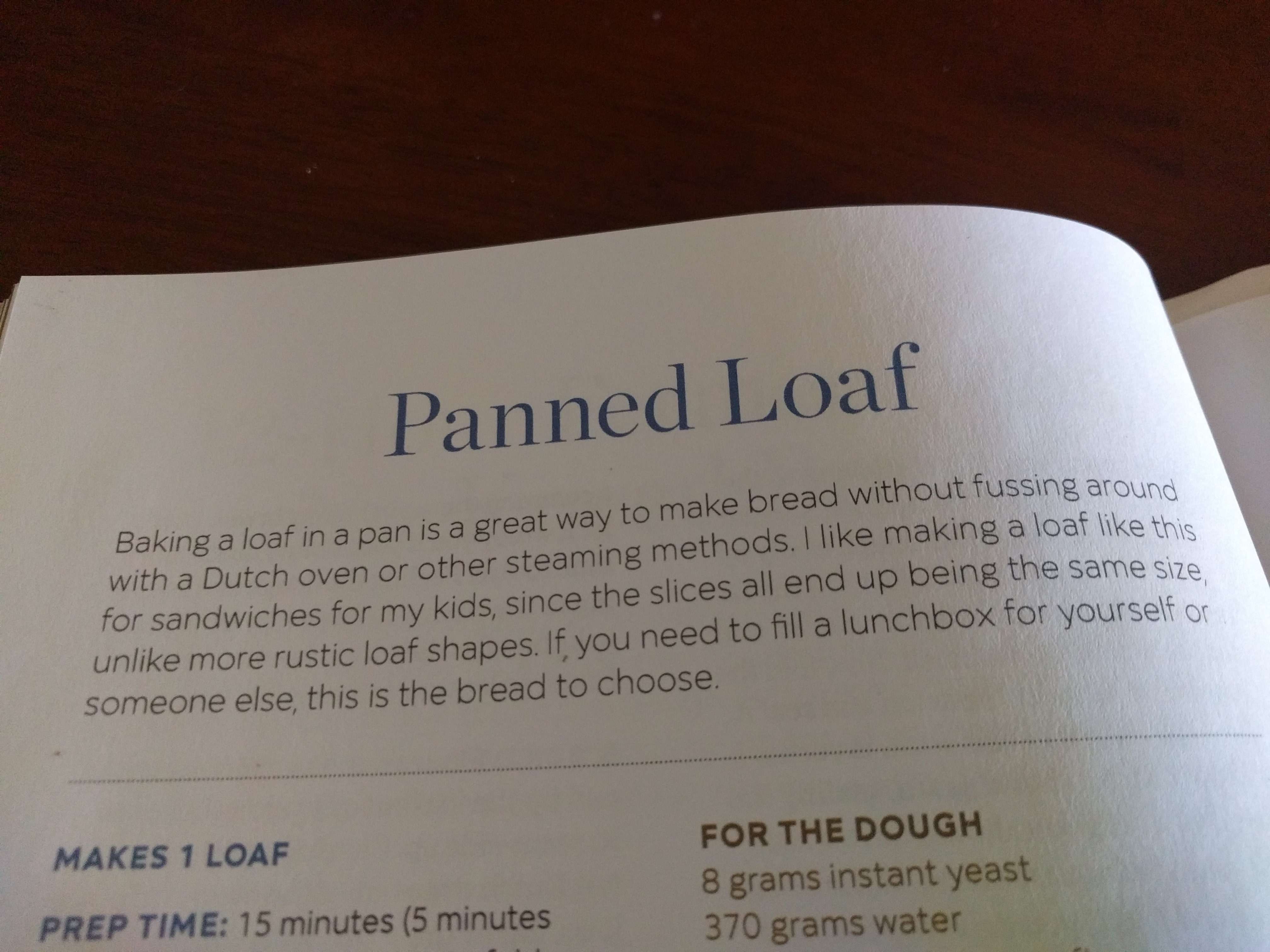
There is something really satisfying and empowering about the learning curve of bread making. The more bread you make, and the more recipes and tips you read, the more your bakes improve. And my second attempt at this Panned Loaf recipe is a good reminder that I am growing and improving in my skills and knowledge of what it take to make a tasty loaf of bread. With my second go around I was able to learn from my previous mistakes and overcome the problems I encountered in the first attempt.
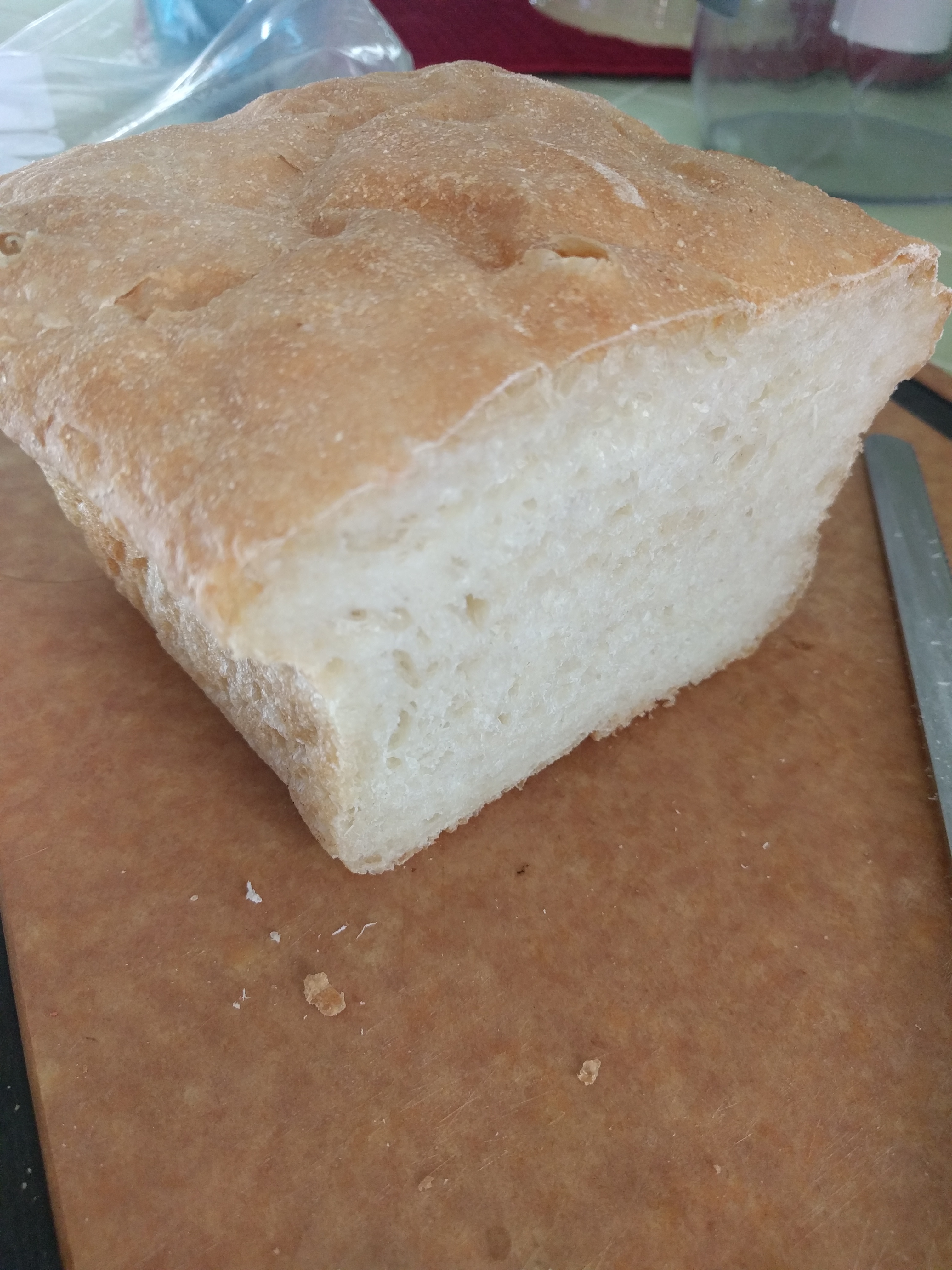
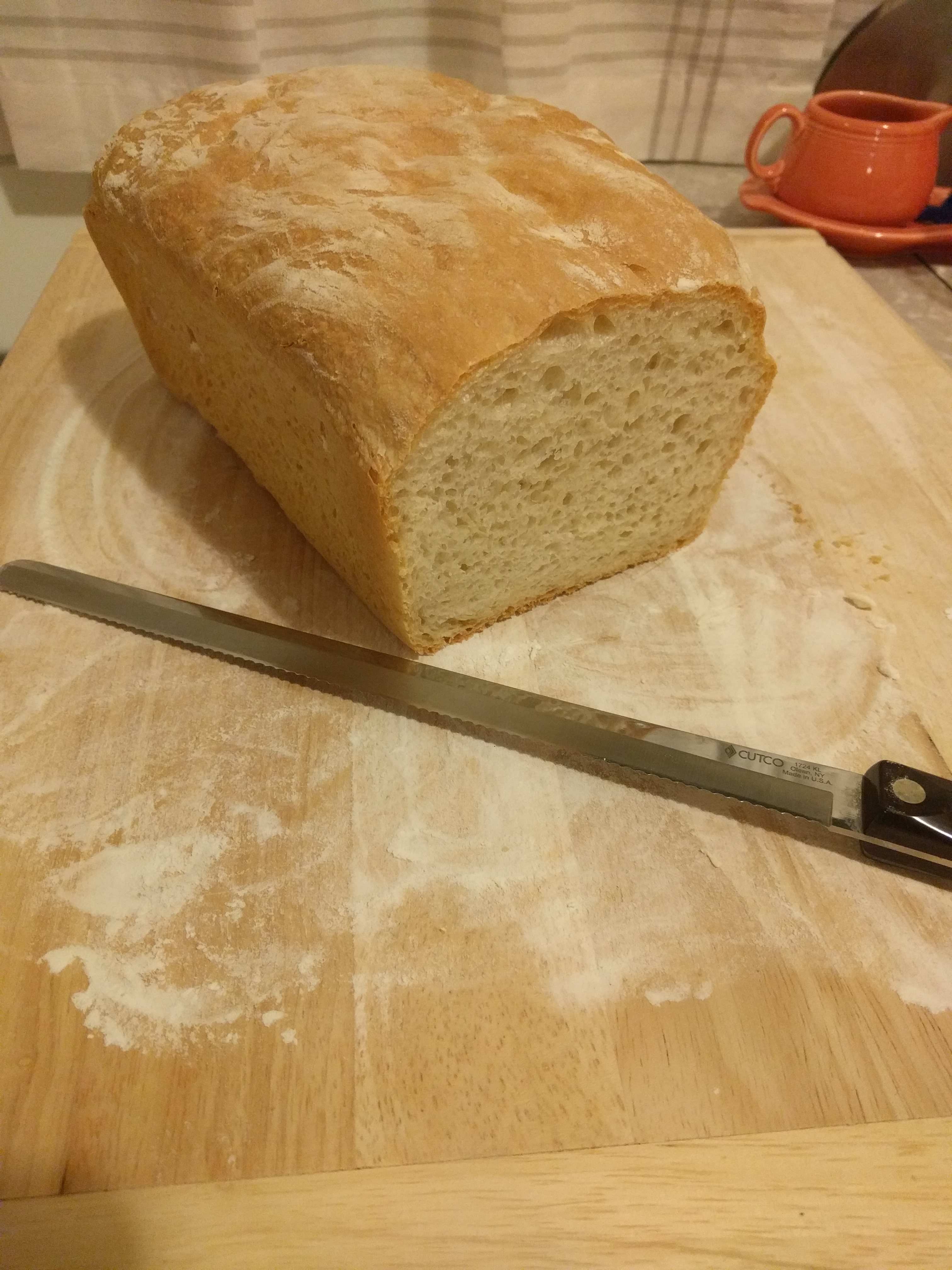
I mean, which loaf would you rather eat? While both loaves tasted equally delicious, I am much more proud to present the second loaf to the world. With a progress report like this my confidence grows and I feel more excited and eager to tackle those more involved bakes that I so long to create, but have felt intimidated to try up till now.
But something I’ve learned on the breadmaking journey so far is, while it’s pretty easy to make an ugly loaf of bread, most bread dough is pretty self sufficient and forgiving. So unless you completely mismeasure your ingredients or skip multiple steps in a recipe, your bread will probably end up still edible. Approach each bake like a science experiment and you’re bound to learn many valuable lessons about breadmaking and yourself. And just keep making subtle tweeks till you get the results that you want. It will happen, I promise. So go forth and bake that longed for loaf!
 Bree Bakes Bread and Other Stuff Too