Featured

English Muffins: Or How Breadmaking Can Save The Planet

A week or so ago, I got a bee in my bonnet about our excessive dependency on plastic and what I could do to minimize the amount that I use, especially the single-use variety. I started looking at lists of ways to make it happen and was pleased to see that I was already doing a lot of the things. But, like with most things, there is always room for improvement.

Making your own bread was one of the items on the list, beacuse what does bread get packaged in? That’s right, plastic! But delightfully you can find all of the ingredients for bread in non-plastic packaging. Flour comes in paper bags, yeast can be purchased in the glass jars, salt from cardboard boxes, and water filtered right from your tap.

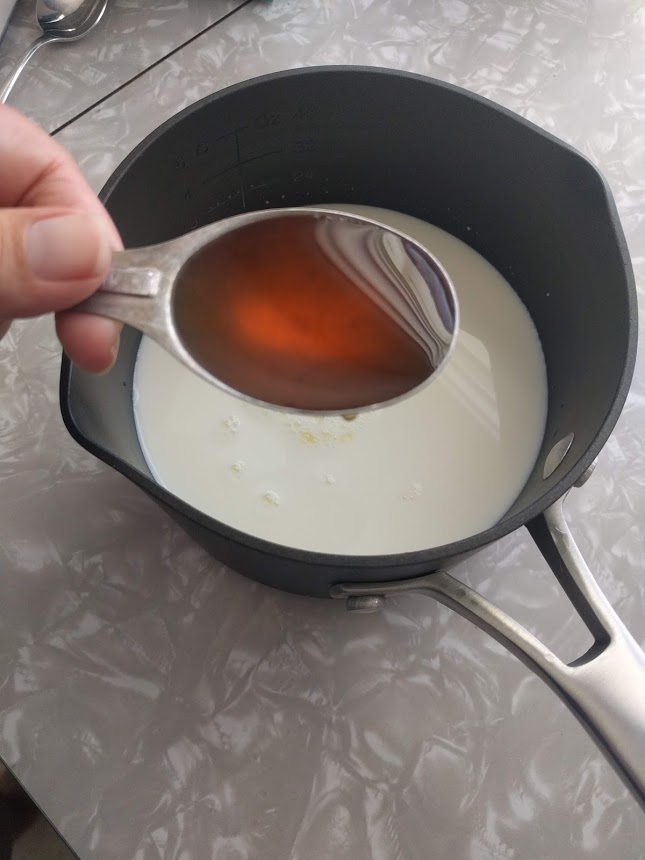
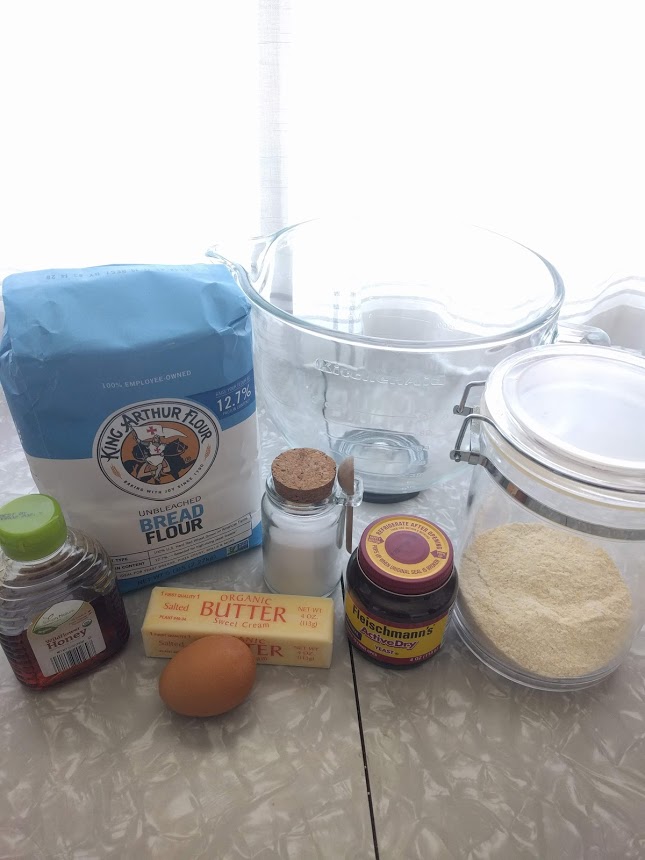
I already bake bread weekly, but there is one kind of bread that we regularly buy still and that’s English Muffins. So of course, this week’s bake was a clear choice and something I have long wanted to try. I went to my aspirational “Breadmaking” Pinterest Board to see what recipes I had there and decided to go with Baked by an Introvert’s English Muffin recipe.

I was slightly nervous, as this bake would be my first attempt at an Enriched dough (that’s just a dough that has more than the 4 basic ingredients of breadmaking). I’ve watched enough Great British Baking Show to know that all the baker’s seem to be extra anxious about enriched doughs since all those extra ingredients can inhibit the yeast and lead to trouble. But I forged ahead and tried not to let that negative thinking get the best of me.

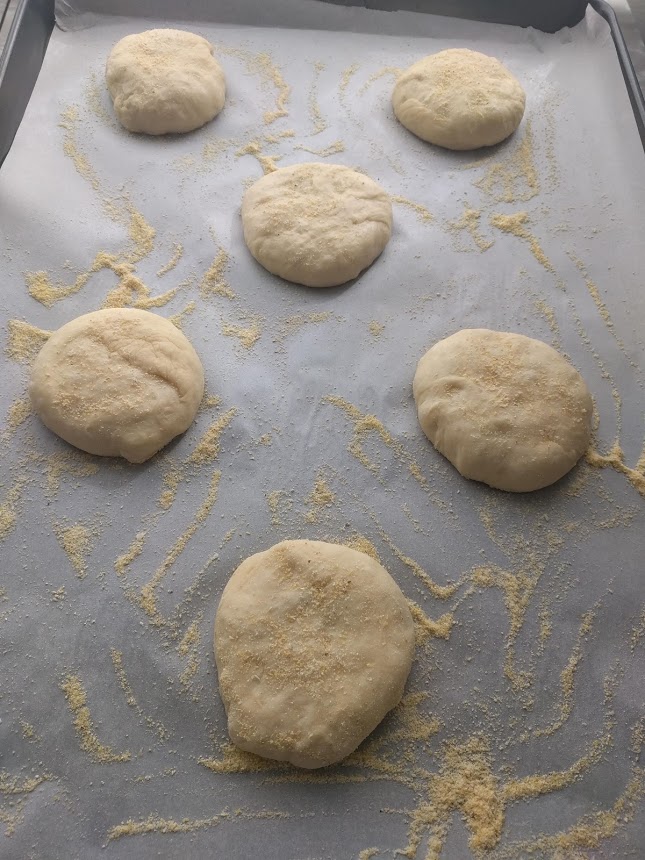
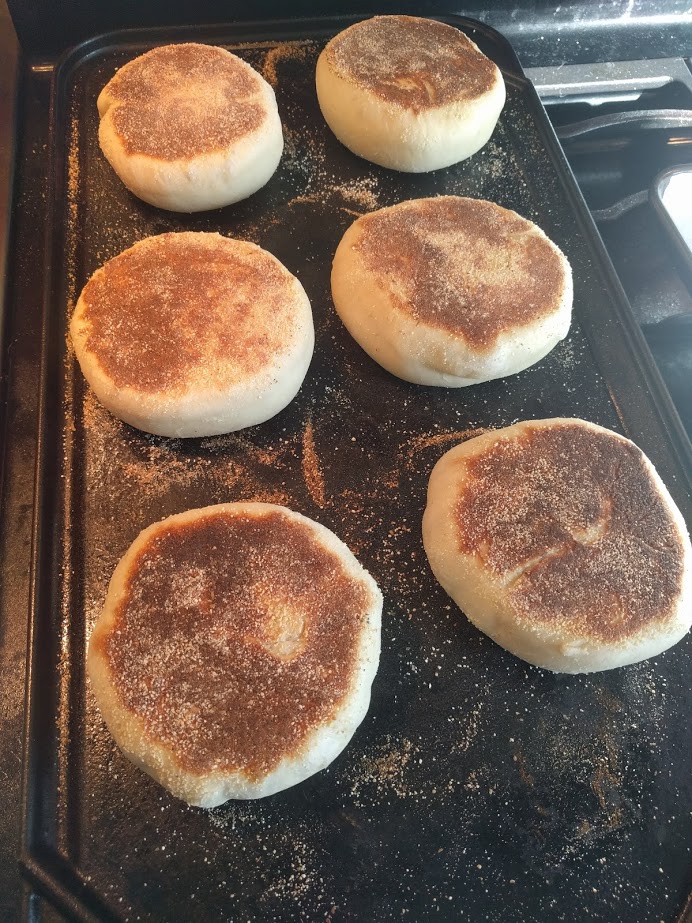
And I’m so glad I wasn’t scared off by my nerves about enriched dough because this was quite possibly the most fun I’ve ever had baking bread. English muffins, among other differences to my typical methods, involved the use of a griddle to get those nice brown tops and bottoms. You get to be an active part of transforming a disc of dough into a proper English Muffin. I may have been giddy during that phase and exclaimed, “They look like actual english muffins!!” as I made the first flip of the dough.
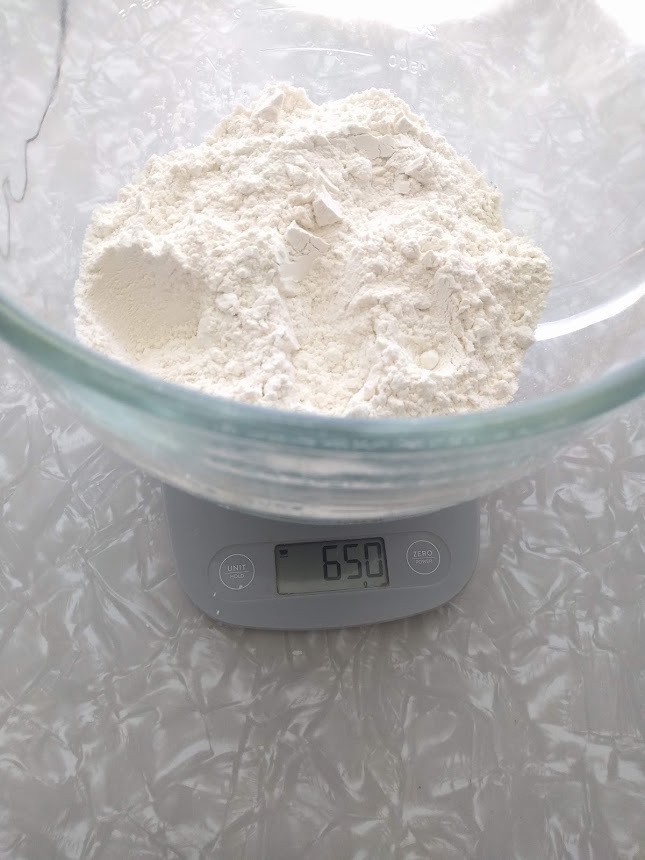
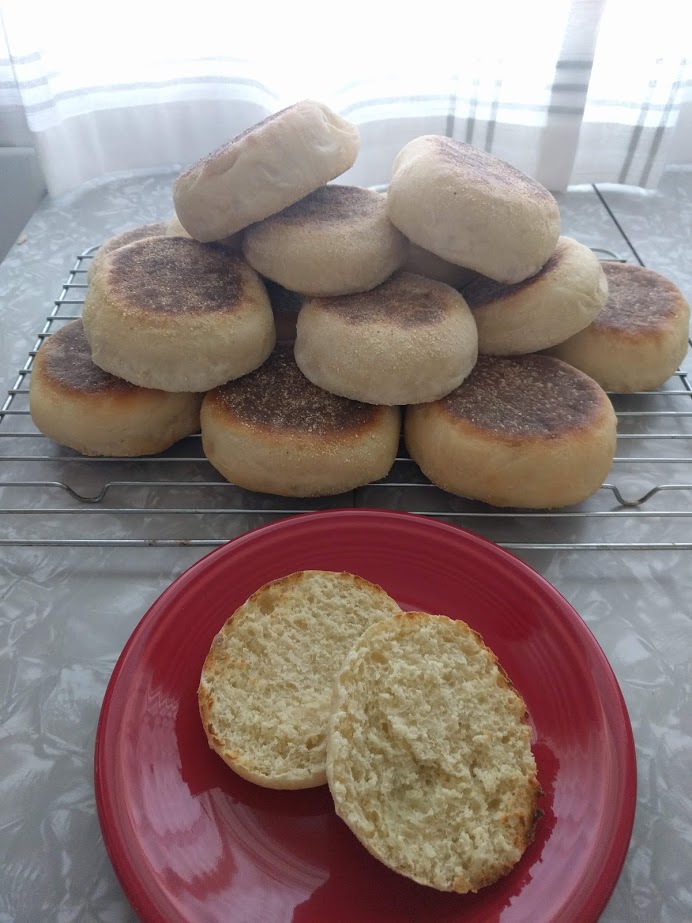
They filled the whole house with the most glorious smell and, after a torturous wait as they cooled, the finished product tasted just as good as it looked. I love when that happens!

Yes, I do believe that English Muffins will be another thing I can check off the never buying again list. And a dozen or so fewer plastic bags that I will be sending out into the world each year. It’s a small step, but with enough home bakers in the world just imagine the impact we could make!
Featured

My First Blog Post

“Good bread is the most fundamentally satisfying of all foods; and good bread with fresh butter, the greatest of feasts.” 

James Beard

What can I say, I love bread. Satisfying, indeed! I have always been a fan, but I don’t think it was until I starting making my own bread on the regular that I truly fell in love. There is something so magical about taking 4 simple ingredients (flour, water, yeast, and salt) and ending up with so many different kinds of bread. Simply vary the time and the method and the possibilities are endless. You can add other stuff if you want to but the real magic is in those 4 basic ingredients.

So how did I fall down the breadmaking rabbit hole? I blame my sister-in-law, Merrilee. She was visiting for Christmas a couple of years ago and brought along her sourdough starter to make fresh bread for our holiday feast. Watching the process, enjoying the smell of baking bread filling the house, and then enjoying the delicious finished loaves had me convinced that this needed to be a regular occurance in our home. Merrilee left us with a bit of her starter and her go-to recipe. Thus began the journey.

For the first year we stuck with what we knew. My Husband Josh and I would take turns making the recipe his sister taught us. But I started collecting recipes on Pinterest of all the different bread recipes I wanted to try and exploring breadmaking cookbooks. And finally after a long vacation our starter went belly up and it was time to venture out into the great big bed baking world and try new recipes.

This week I was sharing a baking triumph with friends and family on Social Media and was really excited about the conversations that it sparked and the positive feedback from folks that I started pondering how I might develop some community around the topic a breadmaking. A blog seemed like a good idea, so here we go.

This blog isn’t meant to be about recipes and the “how to’s” of breadmaking. There are lots of blogs like that already. In fact, I’ll probably point you to some along the way as I share the source of the recipes of each of the bakes I share here. Instead this blog is mean to be a place where folks can be inspired to give breadmaking a try. To celebrate our victories and commiserate about our struggles as novice breadmakers.

I don’t claim to be a breadmaking expert. If you are looking for someone who can tell you how to troubleshoot your baking woes, I’ll do my best to help, but chances are I won’t be the best help. But I will be your biggest cheerleader as your take the plunge and try that bread recipe that you’ve always wanted to try.

And in the spirit of community, I’d love to find collaborators. If you are a novice breadmaker and want to share your experience of the breadmaking process or favorite recipes and why you love breadmaking, I would love to hear from you. I’d be happy to post quality guest entries that honor the spirit of the blog from time to time.

I think that’s a good place to leave things for now. But stay tuned for my next post about this weeks bake, English Muffins, the bake that inspired a blog.

Overnight White Bread: Or A Vehicle for Consuming More Good Things

With the heat lately, my desire to bake bread has been non-existent. But this week my desire to eat bread won out. That’s right folks, my name is Bree and I am a Carboholic.

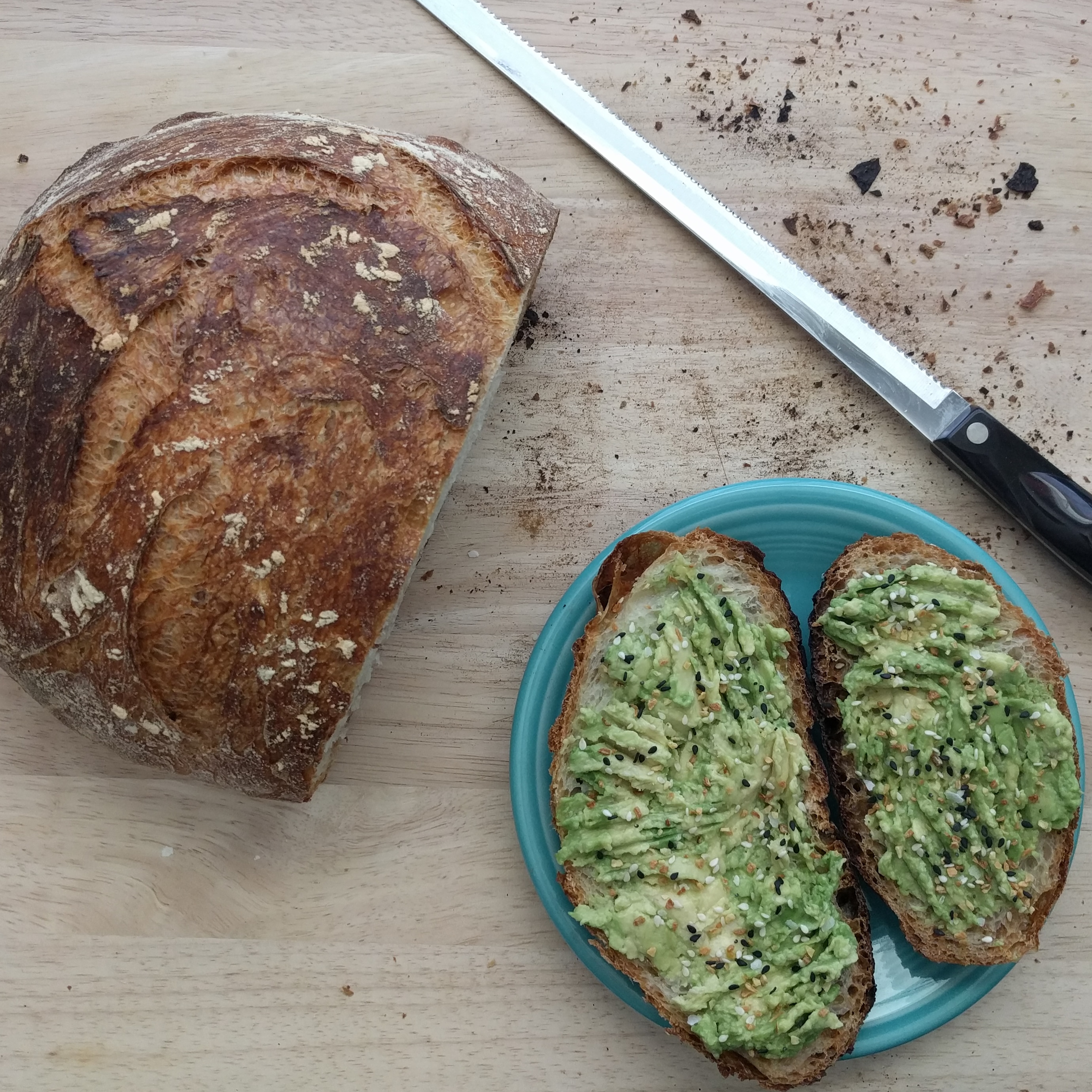
I love all carbs, but bread holds the most special place in my heart. It’s such a versatile thing. Eat it on it’s own or spread an extra layer of goodness on top or sandwich your pleasure between two slices. Bread is a delicious vehicle for consuming all the best things. Butter, cheese, avocados; they are all bread’s best friends.

So this week I decided to bake Ken Forkish’s Overnight White Bread from “Flour Water Salt Yeast.” This book has become my breadmaking bible, so to speak, with the majority of our bread coming from the recipes in this book. And the Overnight White Bread recipe is the perfect “vehicle” bread, with a nice crispy crust and a soft chewy center.

There is nothing quite so good as some delicious avocado toast with bread fresh from the oven.

Burger Buns: Or Summertime Breadmaking

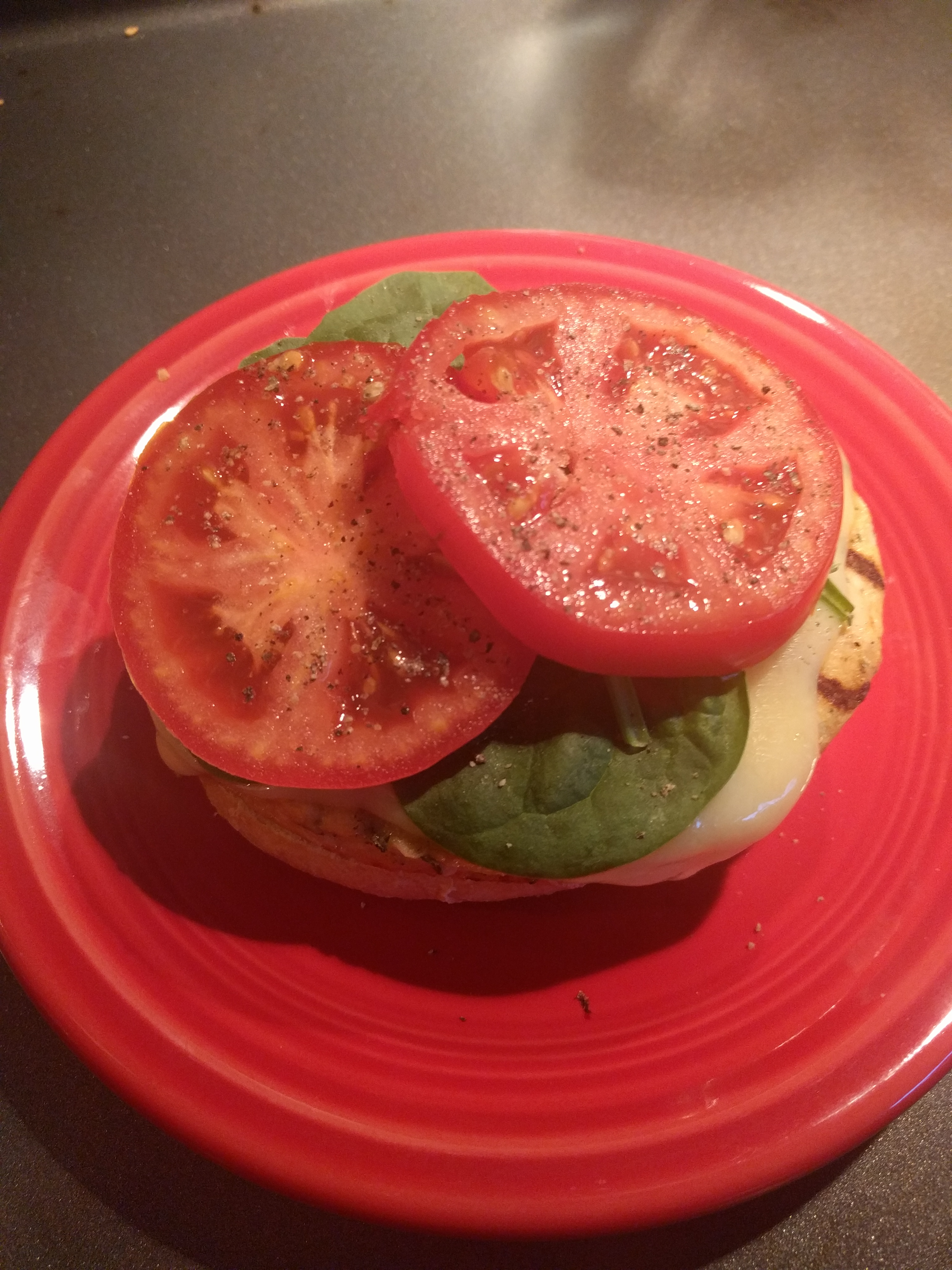
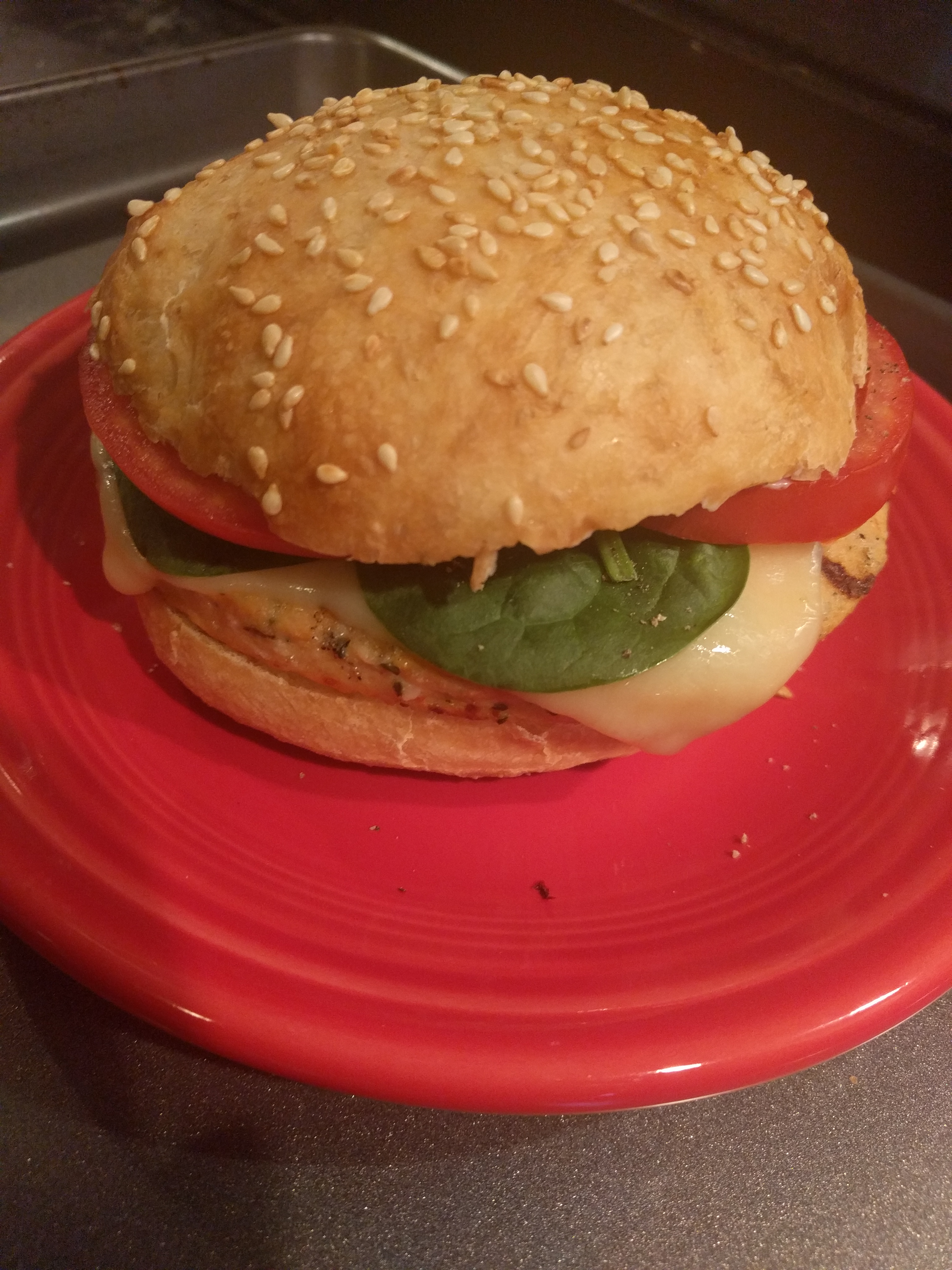
A couple of days ago the first of our homegrown tomatoes got ripe enough to harvest and as I plucked it off the vine I instantly knew how I wanted to enjoy that first fruit…on a nice burger.

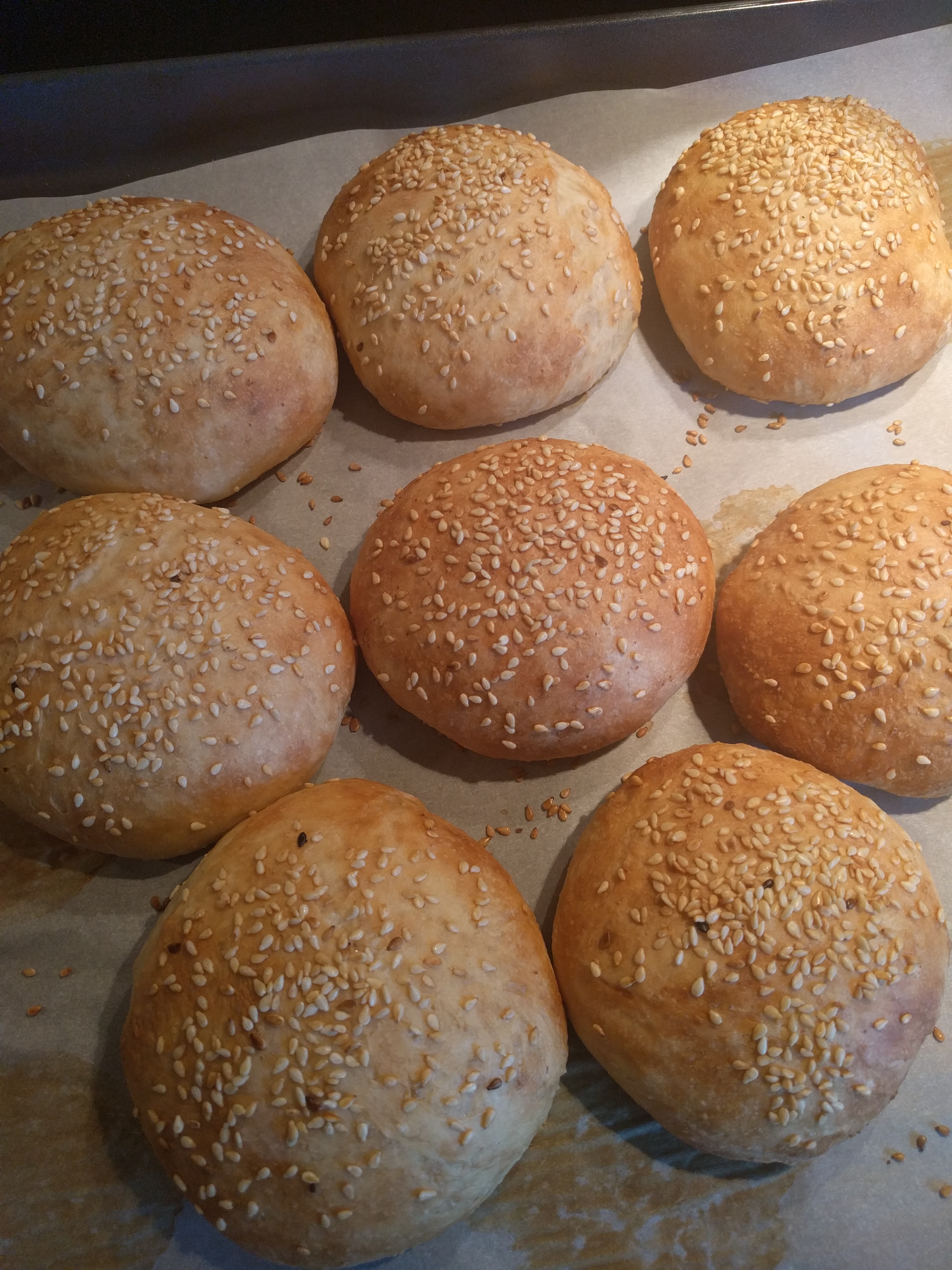
This summer weather has us doing more grilling these days and in keeping with the plastic free (or more like plastic lite) life I am trying to practice, mastering a good burger bun bake had been on the to do list. So for this weeks bake, of course, I decided to make a first attempt at baking my own.

I decided to go with King Arthur Flour’s Beautiful Burger Buns recipe. We pretty much use their flours exclusively in our home and I have heard good things about their recipes so decided to see what they reccommended.

It seemed like a pretty straighforward recipe, until I got into and realized some of the details were a little vague. Things like water temperature and how long to work the dough. The recipes I have been using are usually really detailed about those things and seem to make a big deal about their importance. So the lack of detail had me feeling a little nervouse about the end result.

After the dough was mixed and proved, I realized that I probably should have worked the dough longer than I did. The rise wasn’t quite what it should have been. But in the end, we ended up with some pretty good looking buns. And they had a good flavor too. There is room for some improvement on texture, but I think that can be fixed with a little more time on making sure the dough gets kneaded a bit longer on the front end.

Fresh baked burger buns and homegrown tomatoes definitely make for a more satisfying burger. Plus another new bake explored means new lessons learned and better bakes to come.

Panned Loaf: Or An Edible Progress Report

This post is a little later than I had hoped, but in all fairness, this is technically my second bread bake of the week. My husband and I were so happy with last weeks English Muffins, and were eager to share them with family and friends, that we baked another batch together on Sunday.

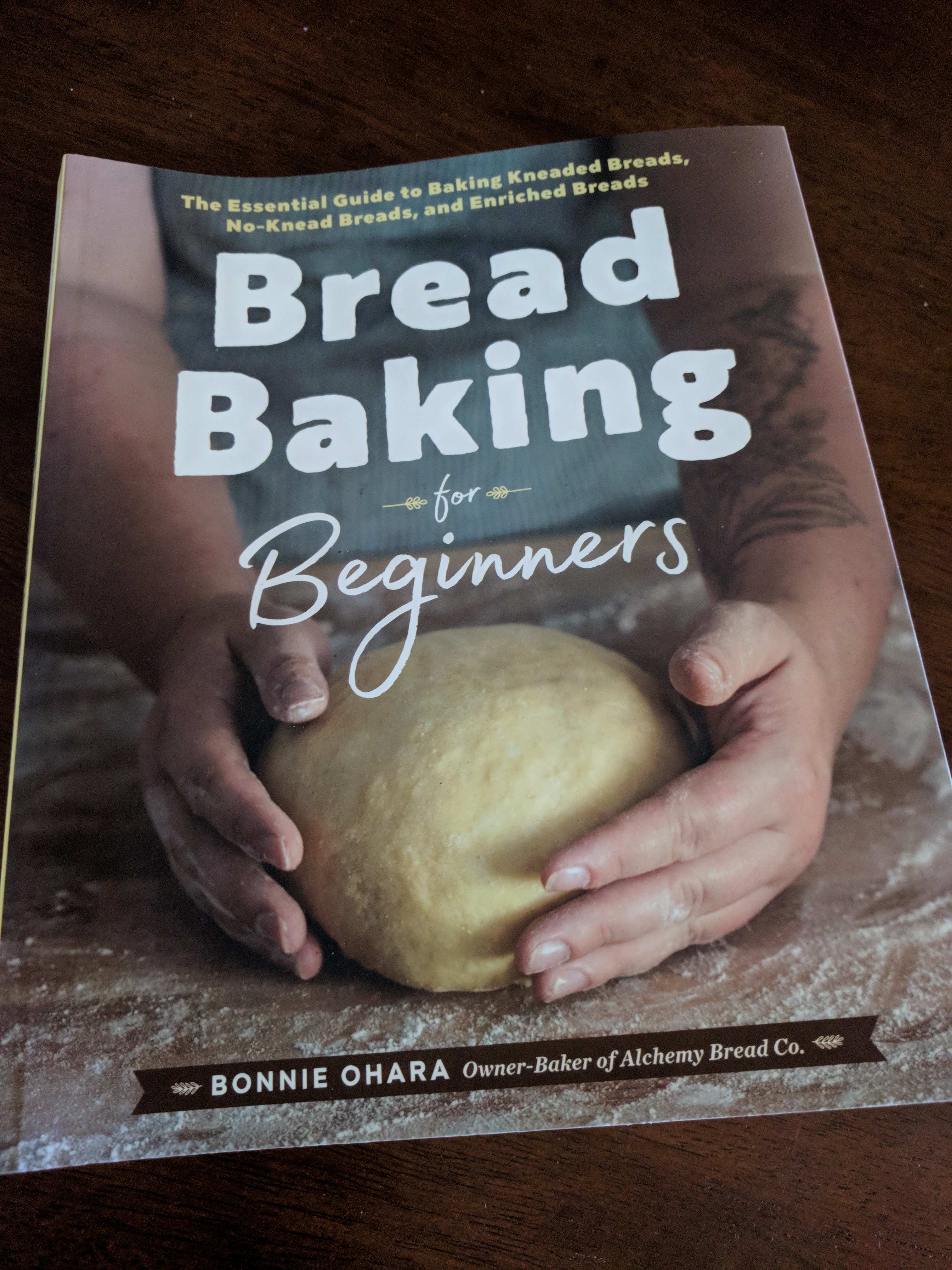
As the week went on and the temperature rose, along with the humiditiy, the thought of experimenting with a new recipe or more complicated bake seemed highly undesireable for this weeks bake. But I wanted to stick to the plan of one post per week and I couldn’t very well write about the same recipe twice in a row. I started thinking about what recipes I’ve done that aren’t too time and labor intensive and decided on Bonnie Ohara’s (of Alchemy Bread Co.) Panned Loaf.

I had a recent visit from my dear friend Kathleen this past month and she is also a novice bread maker, so of course we started talking about our favorite recipes and bakes. That’s when Kathleen told me about Bonnie’s book, Bread Baking for Beginners, and her Panned Loaf recipe. And Kathleen being the wonderful friend that she is mailed a copy of the book to me so we could dive into some of the same recipes from opposite ends of California and swap baking tips.

I have been pretty much baking bread exclusively using a dutch over (more on that in a future post, no doubt), but had been longing to dust off my loaf pan to make some nice sandwich bread. Bonnie’s Panned Loaf seemed like the perfect bread for this heatwave. It makes a single loaf and requires no dutch oven, so that means a shorter time with the oven on. Plus this bread bakes for a slightly lower temperature for a shorter time making it even more appealing.

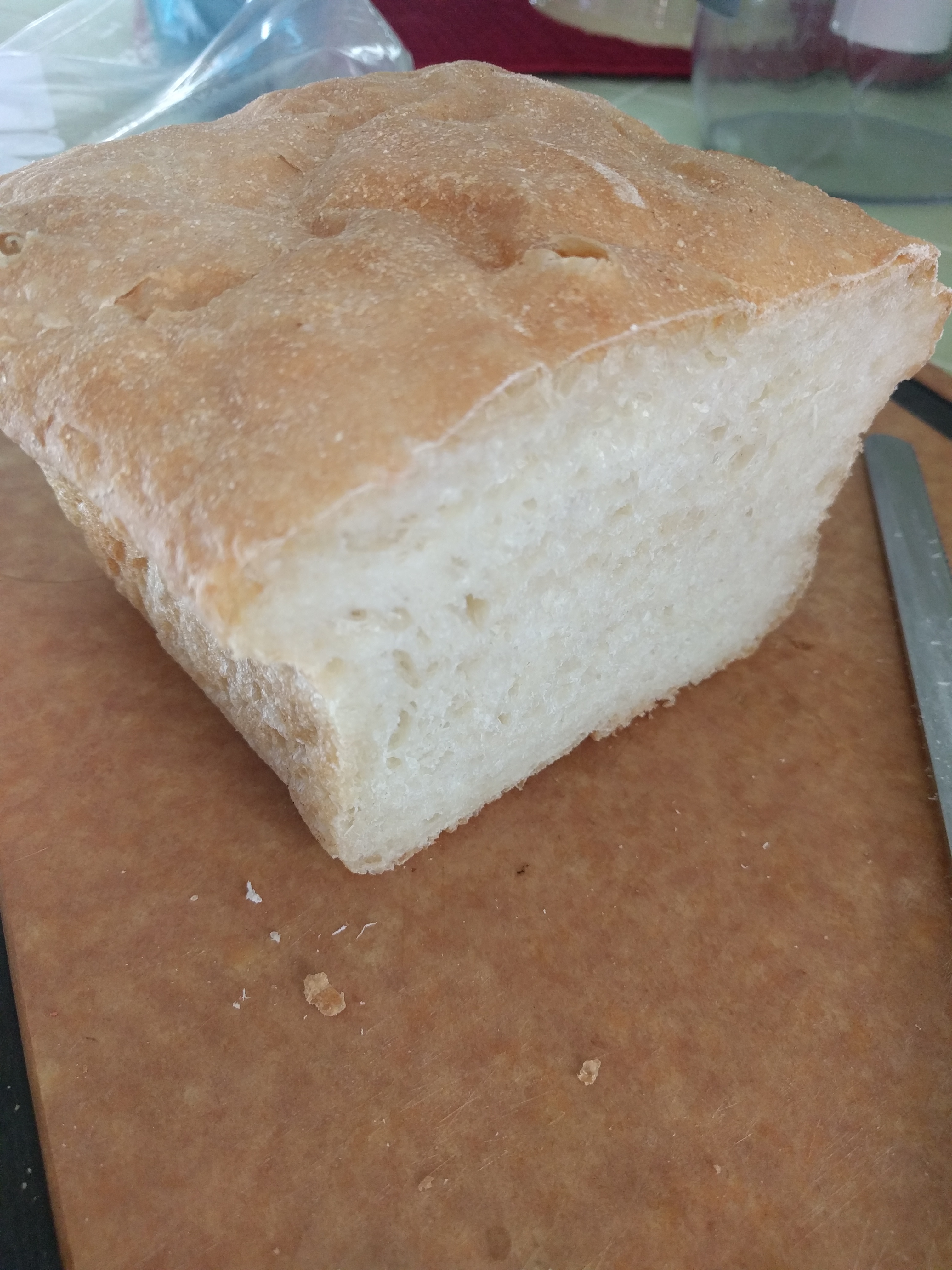
I had made the bread once before and had some issues with timing on the final proof, which led to a deflated top when the dough spilled over the top of the pan, so I was happy to work on getting better at this bake. I was certain I would need to watch the dough a little closer this time around because warmer temps mean faster rise, but that seemed a small challenge now that I know a bit what to expect from this dough in my kitchen.

That’s the thing about baking bread, every kitchen is it’s own little microclimate, and every recipe will bake a little different from kitchen to kitchen. The amibiant temperature and humidity can have an impact how much time the dough needs to prove. Ovens rarely are the exact tempurature that the oven dial reads, so baking times may vary. Deciding whether to work the dough by hand versus letting a stand mixer do the heavy lifting. There are so many factors that can impact the final results. All you can do is just go for it and see how it turns out.

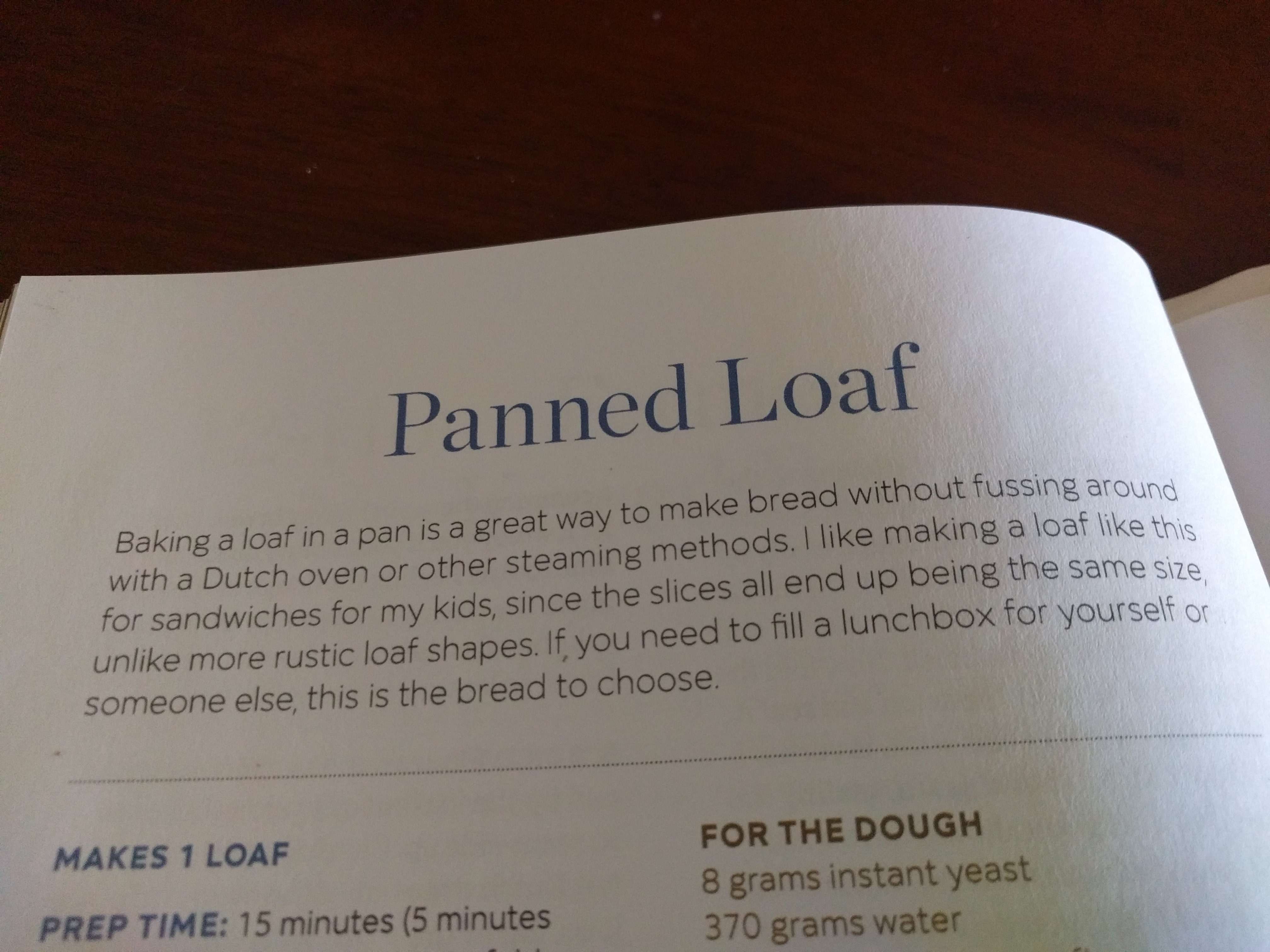
Back to the bake at hand, the Panned Loaf, the whole process is done in about 4 hours. Most of that time is waiting time, as the bread rises and bakes. But there is plenty of time to get your hands in the dough and have fun. Being a standard bread dough all you need are the 4 basics; flour, water, salt, and yeast. The Panned Loaf is in the “no-knead” section of Bonnie’s book and uses a folding method to work the dough and build up the gluten that will give the bread it’s final structure. I would definitely reccommend this as a good beginner recipe, plus Bonnie give easy to follow instructions and a clear description of how your dough should feel.

You’ll have to buy the book to get the full recipe

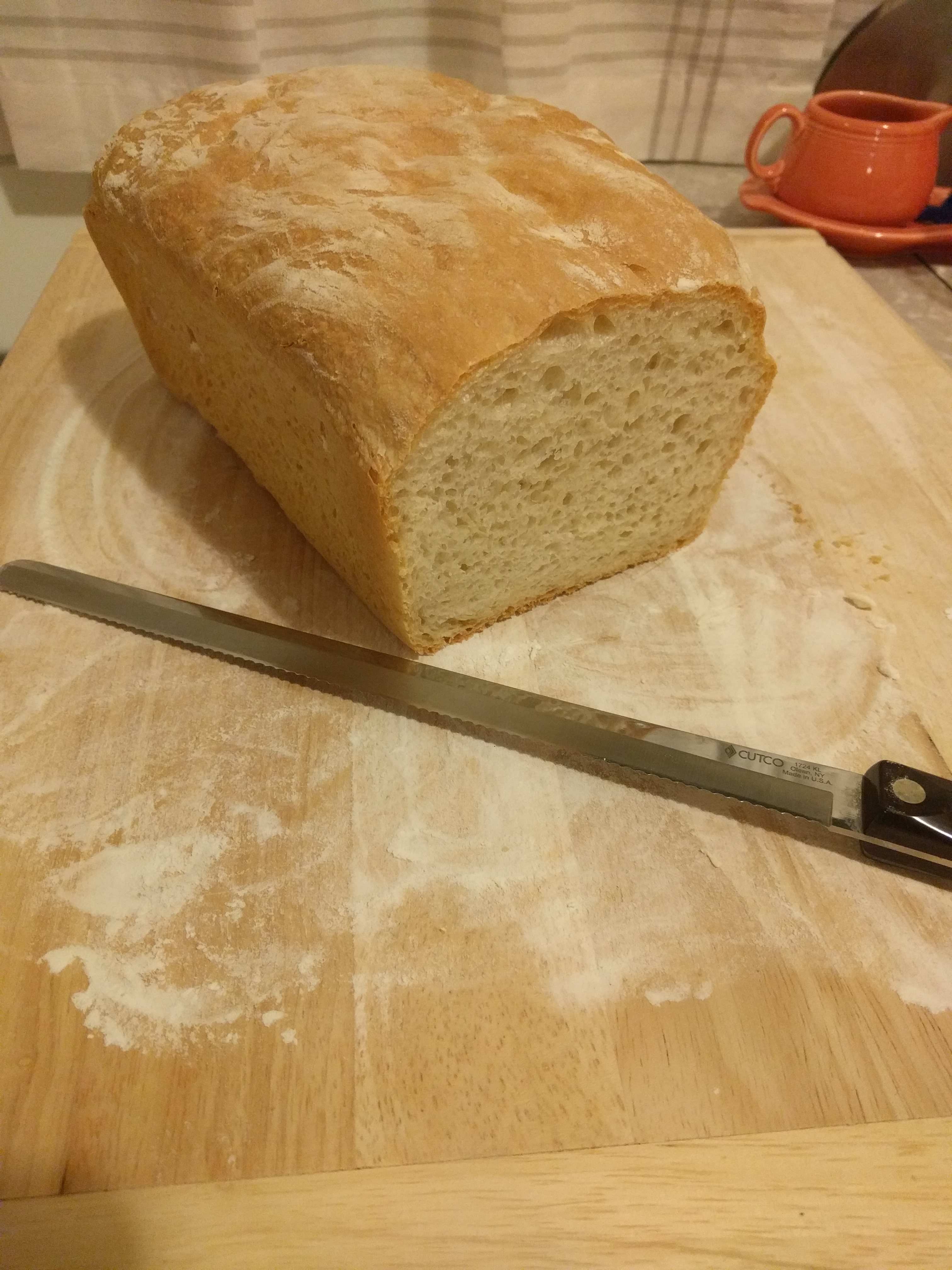
There is something really satisfying and empowering about the learning curve of bread making. The more bread you make, and the more recipes and tips you read, the more your bakes improve. And my second attempt at this Panned Loaf recipe is a good reminder that I am growing and improving in my skills and knowledge of what it take to make a tasty loaf of bread. With my second go around I was able to learn from my previous mistakes and overcome the problems I encountered in the first attempt.

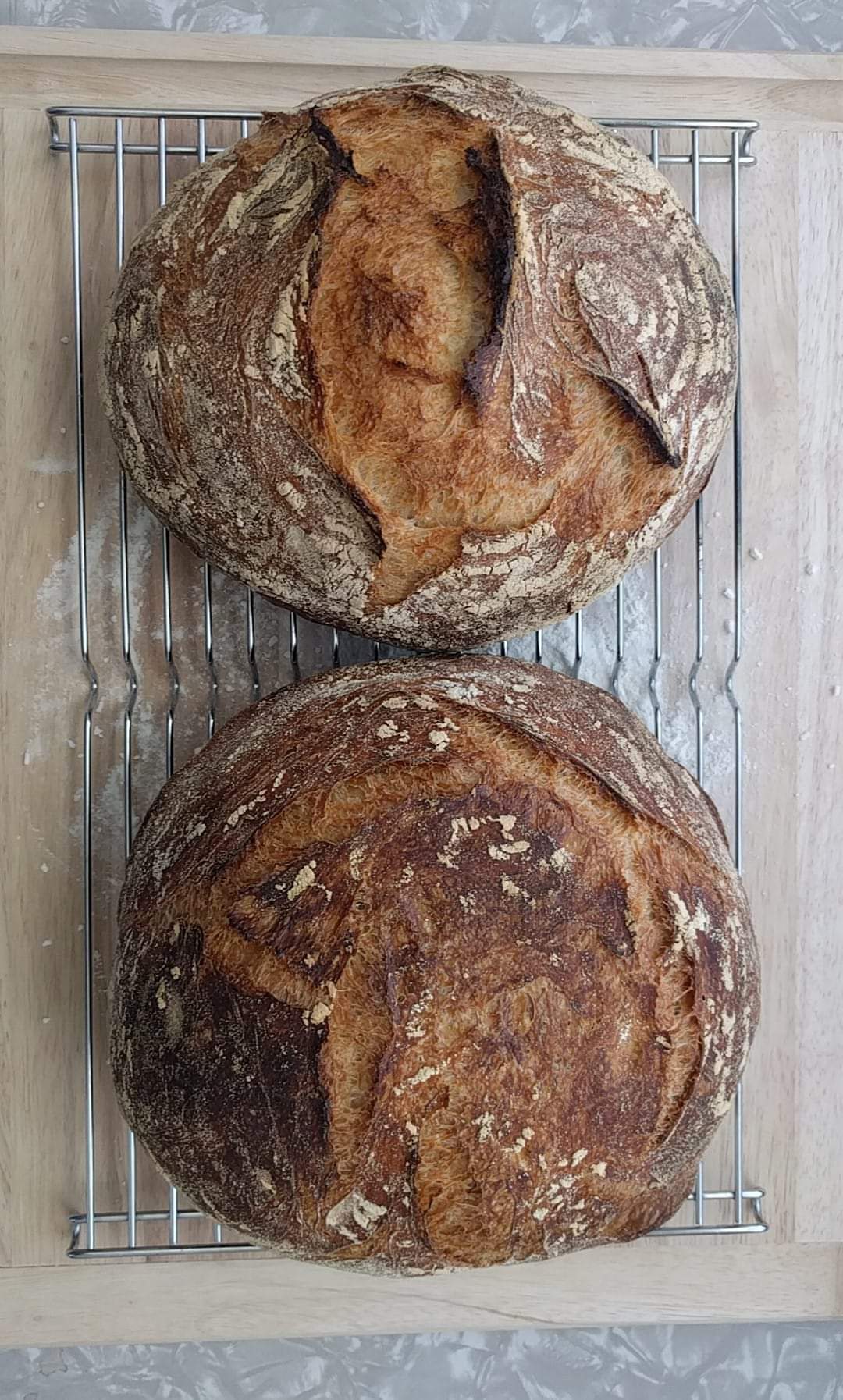
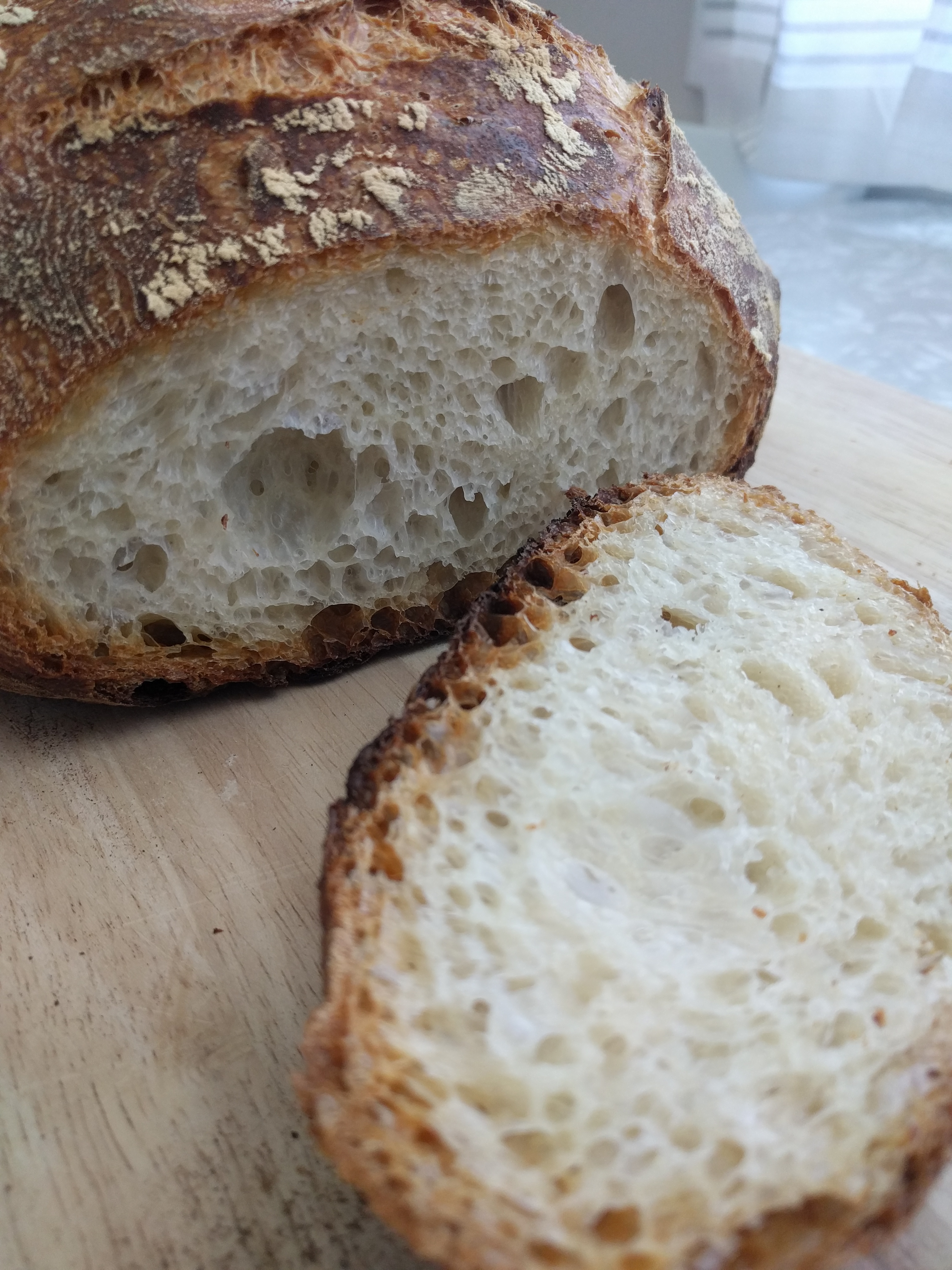
I mean, which loaf would you rather eat? While both loaves tasted equally delicious, I am much more proud to present the second loaf to the world. With a progress report like this my confidence grows and I feel more excited and eager to tackle those more involved bakes that I so long to create, but have felt intimidated to try up till now.

But something I’ve learned on the breadmaking journey so far is, while it’s pretty easy to make an ugly loaf of bread, most bread dough is pretty self sufficient and forgiving. So unless you completely mismeasure your ingredients or skip multiple steps in a recipe, your bread will probably end up still edible. Approach each bake like a science experiment and you’re bound to learn many valuable lessons about breadmaking and yourself. And just keep making subtle tweeks till you get the results that you want. It will happen, I promise. So go forth and bake that longed for loaf!

Allow Me To Introduce Myself

Hi! I’m Bree and I am a novice breadmaker (among other things) and this is my blog. My hope is that I can share a bit with you about my adventures in breadmaking so that you can see that anyone can do it, including you!

Once a week I bake bread. So once a week I’ll be sharing what I bake, where I got the recipe, and any thing that transpires in thought or deed during or because of the bake.

Thanks for joining me!

Design a site like this with WordPress.com
Get started